 Notice Board
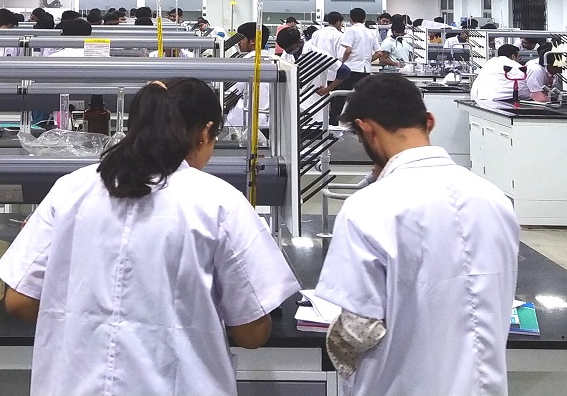

The Department of Chemistry and Chemical Biology at IIT (ISM) Dhanbad, established as an independent department in 1989, has been a center of academic excellence and research innovation. Building on a strong legacy from its origins in the Department of Chemistry, Fuel, and Metallurgy (1926), the department continues to advance the frontiers of chemical sciences through a dynamic curriculum, cutting-edge research, and a vibrant student community.
The department offers a range of academic programs designed to cultivate intellectual curiosity, research skills, and leadership:
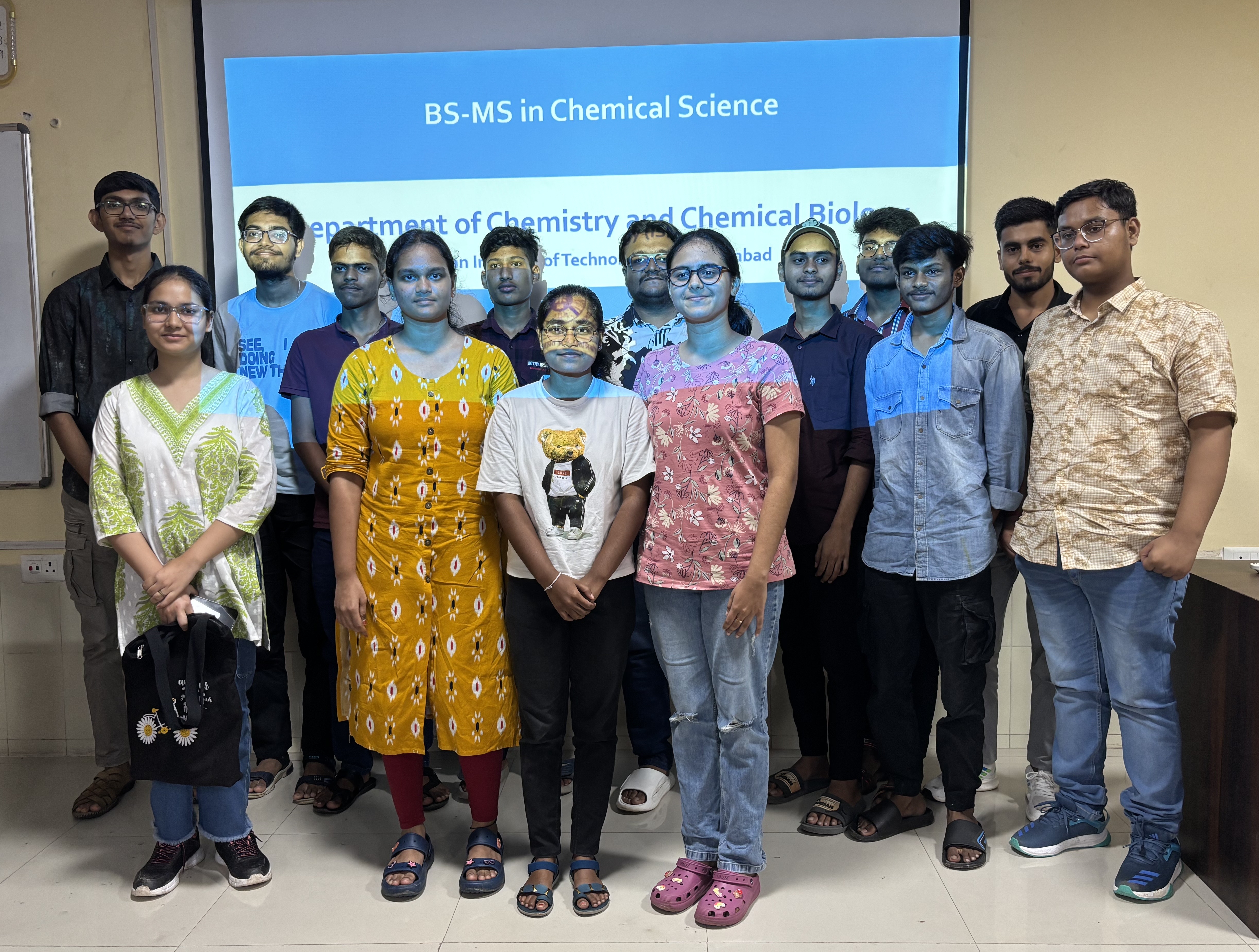
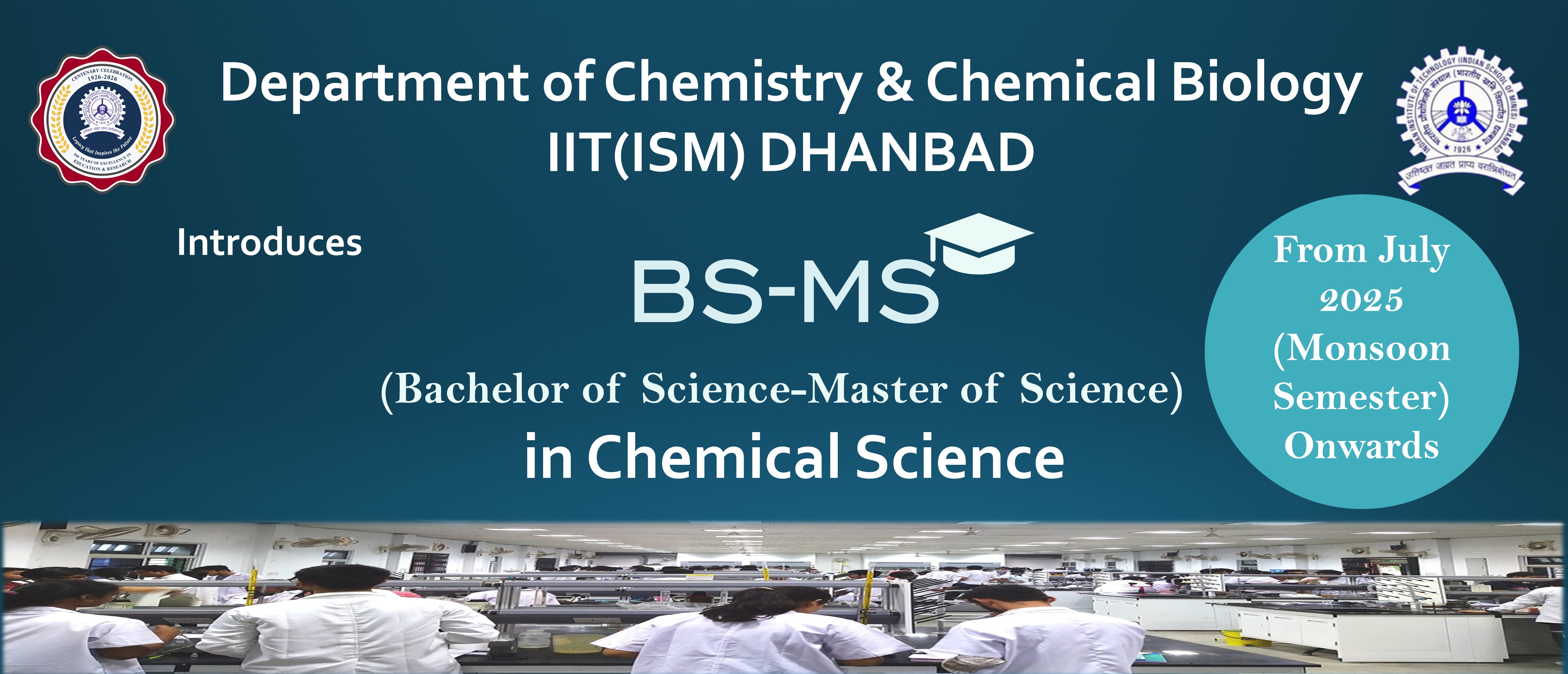
BS–MS in Chemical Science
Integrated B.Sc.-B.Ed. (4 Year)
M.Sc. in Chemistry
M.Tech. in Pharmaceutical Science and Engineering
M.Tech. in Materials Science and Technology
Ph.D. in Chemistry and Chemical Biology
Faculty members, recognized experts in their fields, are actively engaged in research across green and sustainable chemistry, CO2 capture and conversion, hydrogen energy, chemical biology, environmental chemistry, nanomaterials, and soft and hard materials chemistry. The department’s well-equipped laboratories and strong research culture ensure students are prepared for successful careers in academia, industry, and research institutions, with nearly 100% placement for M.Tech, M.Sc. and Ph.D. graduates.
Welcome to the Department of Chemistry and Chemical Biology at IIT (ISM) Dhanbad. We are committed to advancing fundamental knowledge, fostering innovation, and developing sustainable technologies that address global challenges in energy, environment, healthcare, and advanced materials. Research within the department spans diverse themes. Our Organic Chemistry and Chemical Biology groups are engaged in synthetic methodology, carbohydrate chemistry, heterocyclic chemistry, supramolecular chemistry, organo- and asymmetric catalysis, photocatalysis, nanocatalysis, chemical biology, and molecular sensing. The Inorganic Chemistry groups pursue cutting-edge research in coordination chemistry, crystal engineering, bioinorganic chemistry, electron-transfer processes, homogeneous and heterogeneous catalysis, electrocatalysis, corrosion science, CO₂ conversion, and hydrogen production and storage. Our Physical and Materials Chemistry groups investigate functional nanomaterials, smart materials, polymers, energy storage systems, batteries, photocatalysis, spectroscopy, molecular self-assembly, computational chemistry, molecular dynamics simulations, electronic structure calculations, biomass conversion, and sustainable chemical processes.
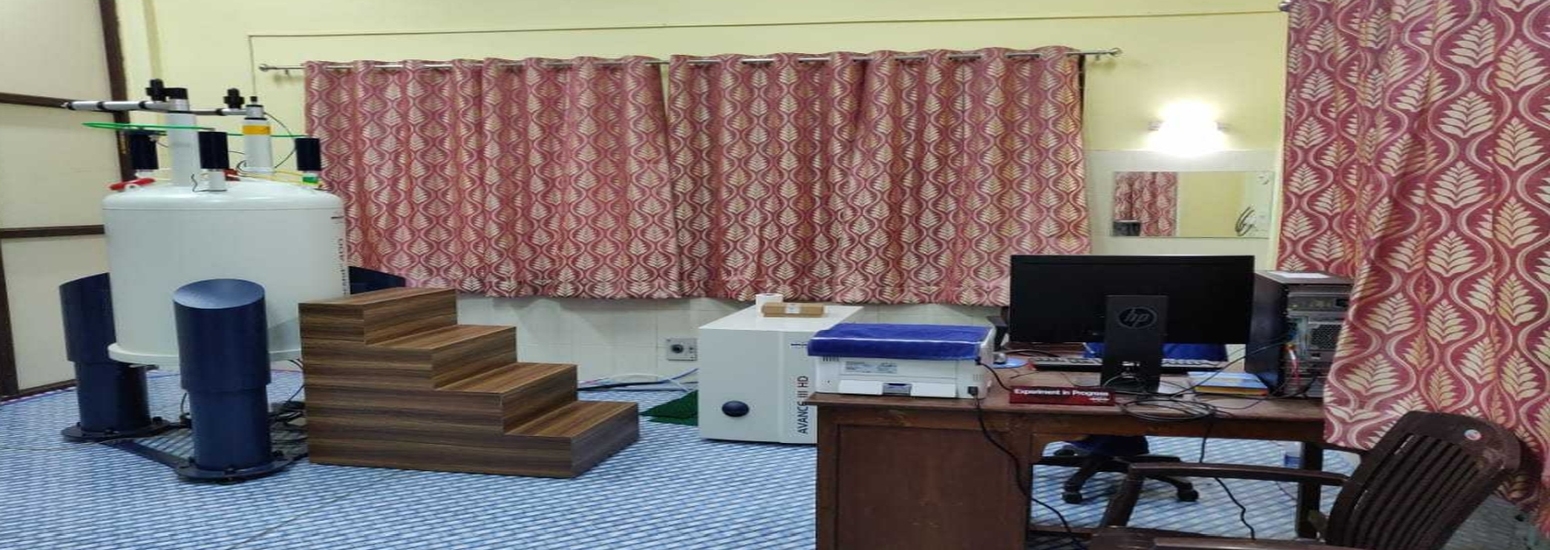
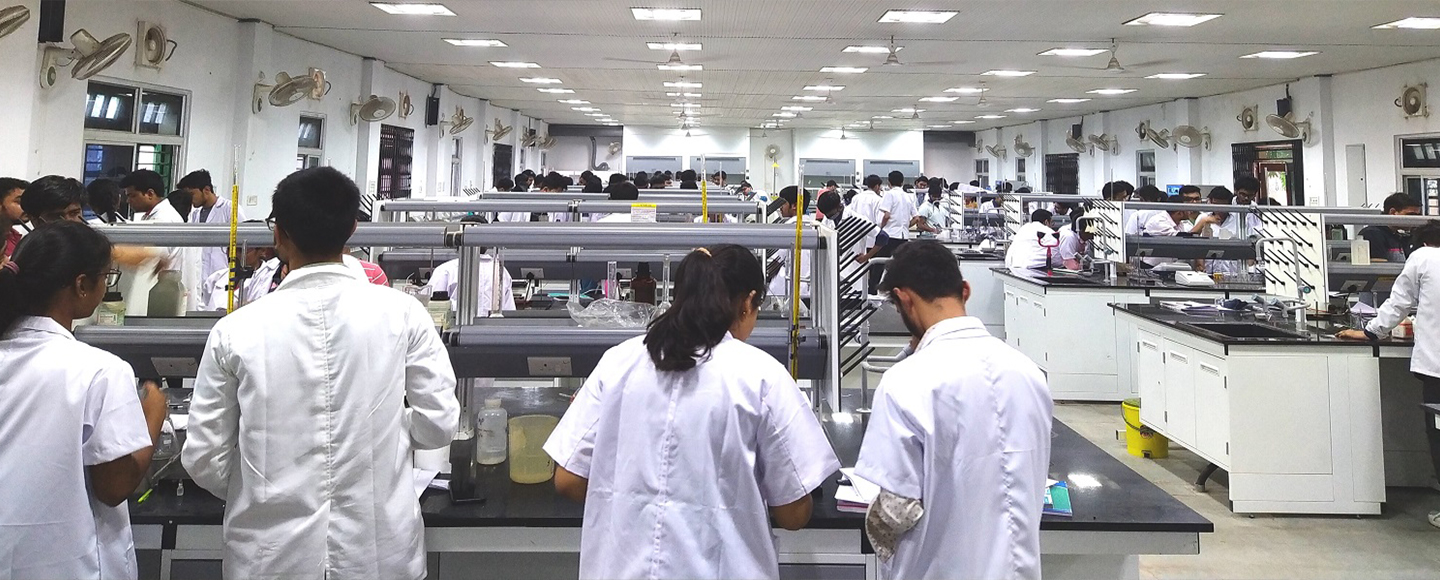
The department is supported by modern teaching laboratories, advanced research facilities, and the Institute's state-of-the-art Central Research Facility, enabling high-quality research and innovation. We offer BS–MS, B.Sc.–B.Ed., M.Sc., M.Tech., and Ph.D. programmes designed to nurture scientific curiosity, critical thinking, and research excellence. Our greatest strength lies in our dedicated faculty, talented students, accomplished alumni, and committed staff. Together, we cultivate an inclusive, collaborative, and intellectually stimulating environment where ideas flourish, interdisciplinary partnerships thrive, and future scientific leaders are shaped.
As we look ahead, we remain steadfast in our mission to contribute to national priorities and global scientific progress through excellence in education, pioneering research, innovation, entrepreneurship, and meaningful industry collaborations. I warmly invite you to explore our department, engage with our vibrant academic community, and join us in our pursuit of scientific excellence and societal impact.
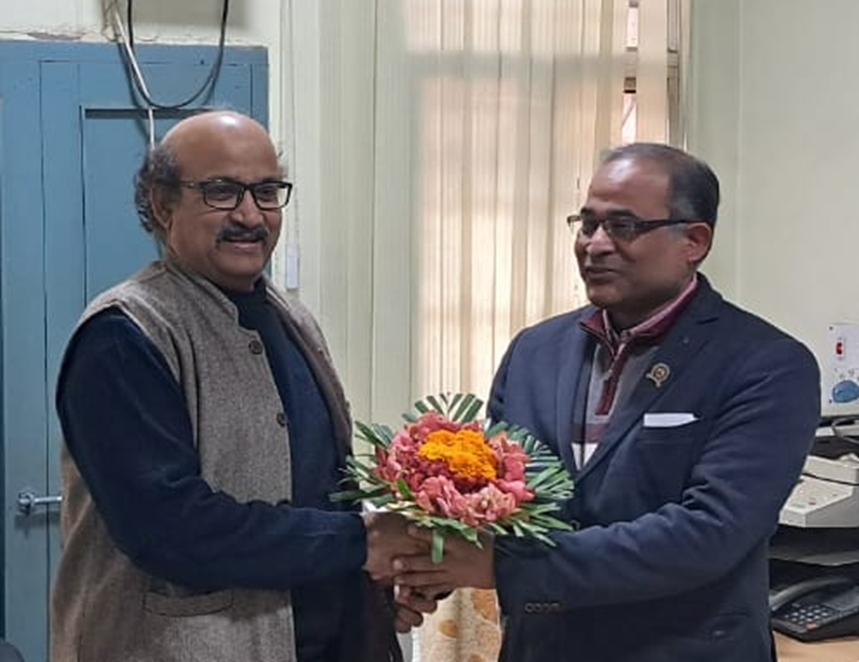
Sagar Pal, Ph.D.
Professor and Head

Prof. Sagar Pal
Head of the Department

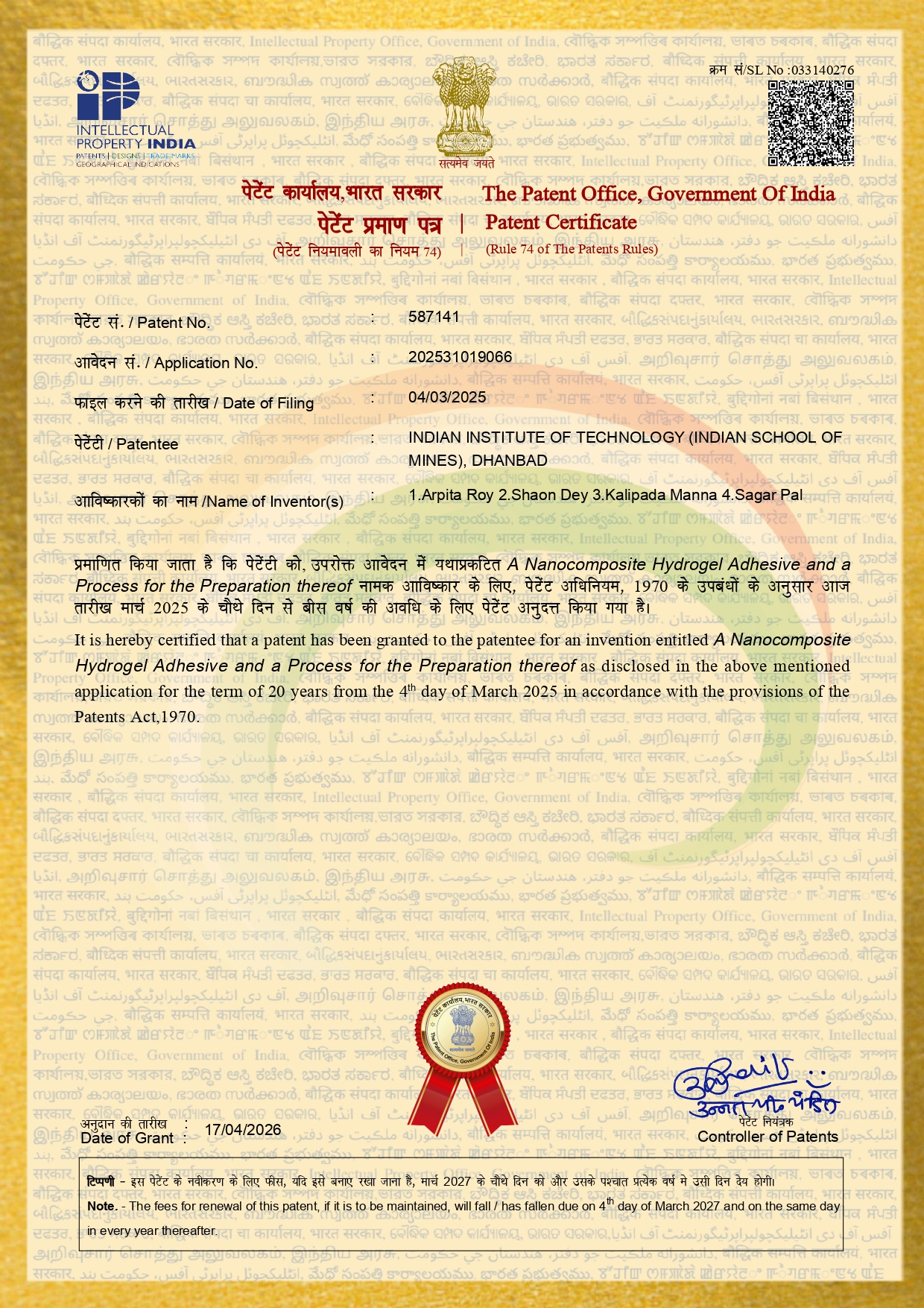
Patent Granted to Prof. S. Pal and Group on "A Nanocomposite Hydrogel Adhesive and a Process for the Preparation thereof"
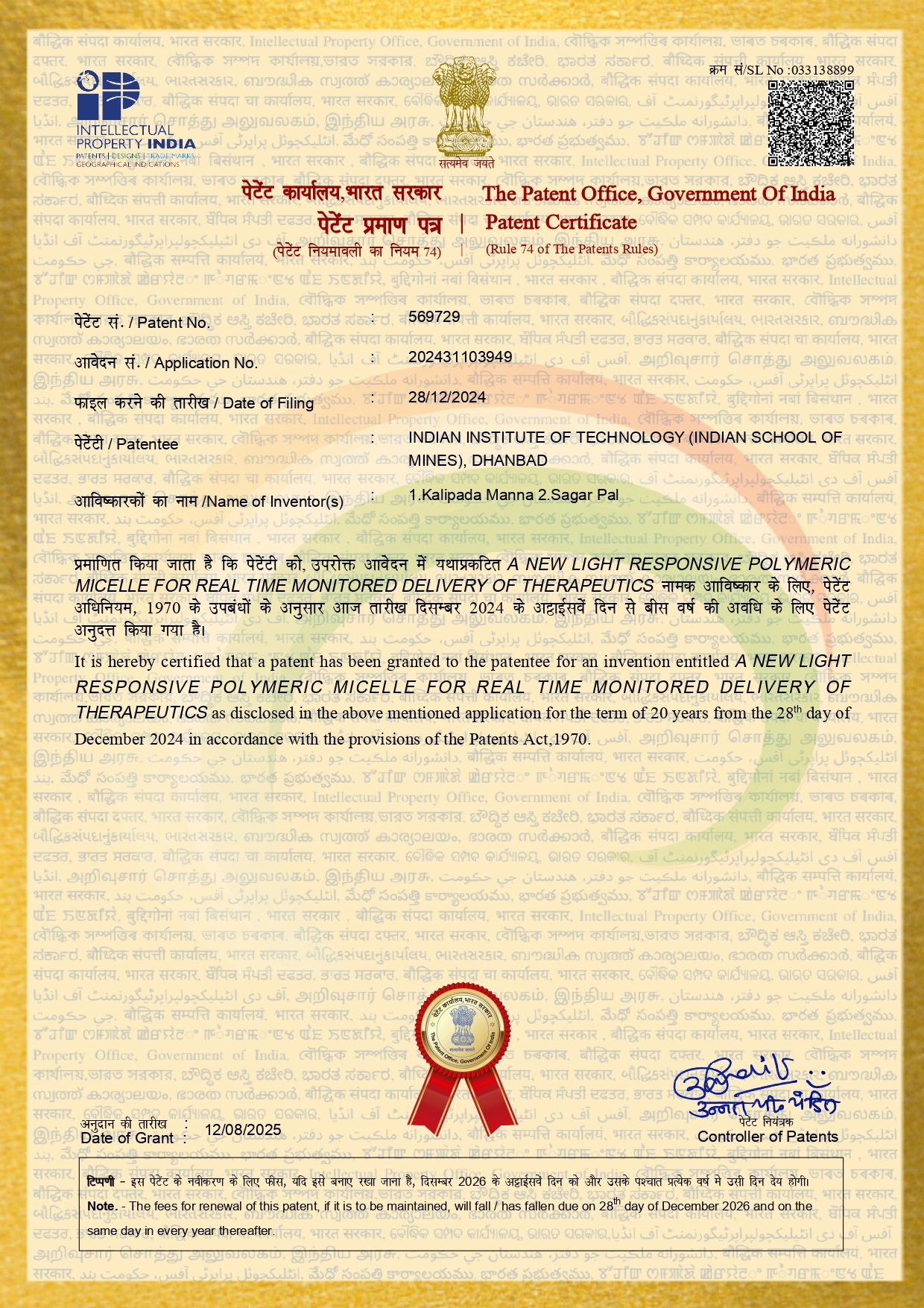
Patent Granted to Prof. S. Pal and Group on "A New Light Responsive Polymeric Micelle for Real-Time Monitored Delivery of Therapeutics"
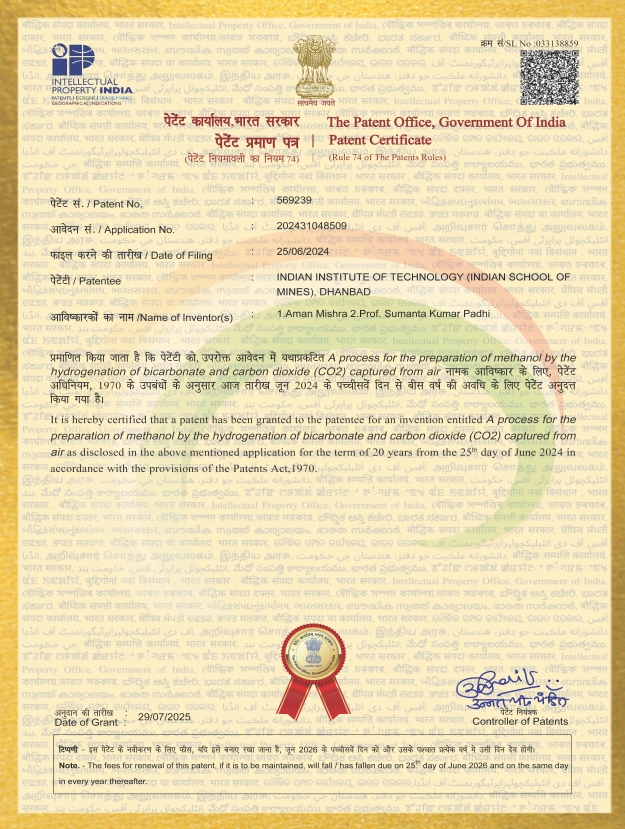
Patent Awarded to IIT(ISM) Dhanbad for Invention by Prof. S. K. Padhi and Research Group on CO₂ Hydrogenation to Methanol
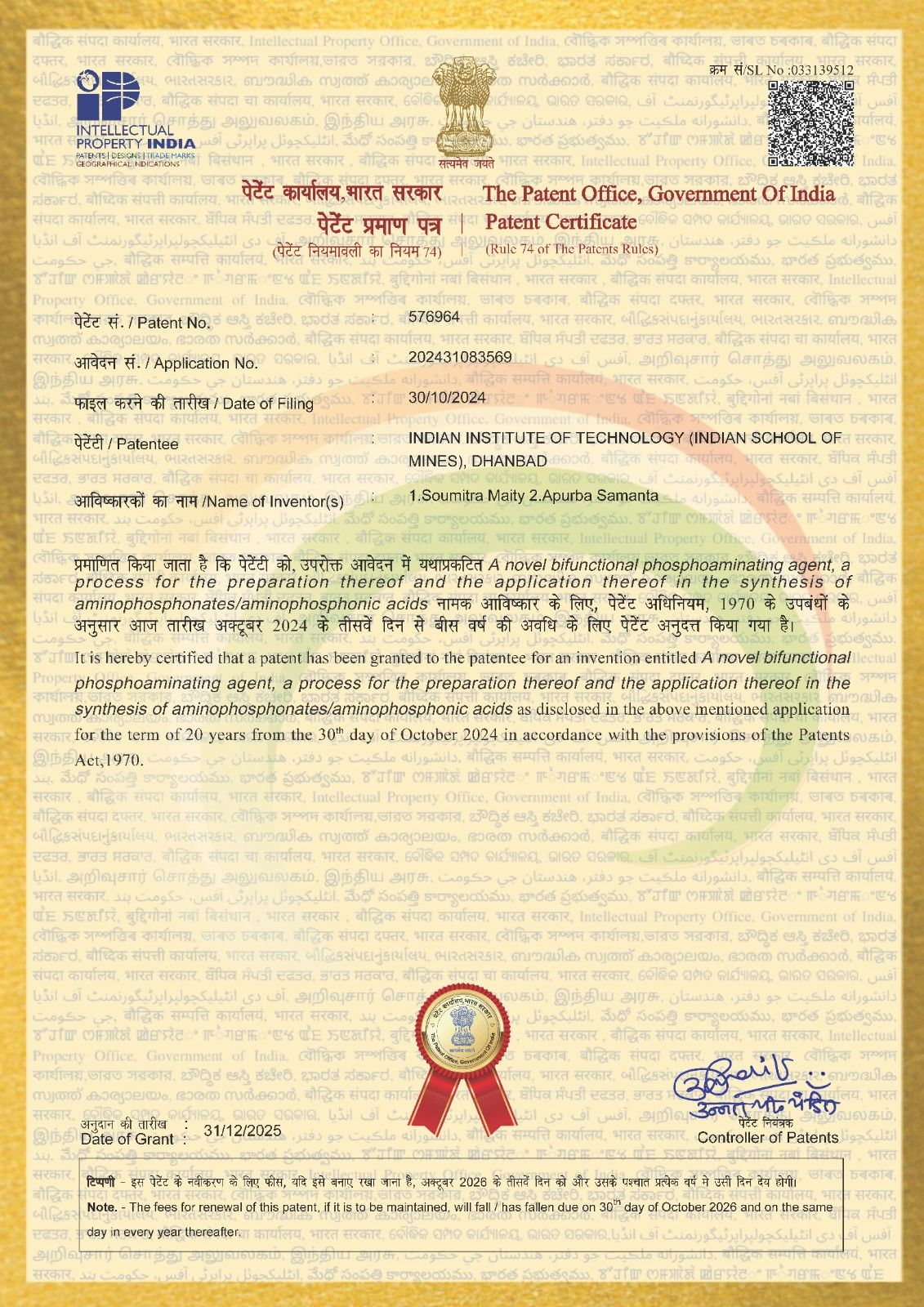
Patent Granted to Prof. S. Maity and Group on the application thereof in the synthesis of aminophosphonates/aminophosphonic acids

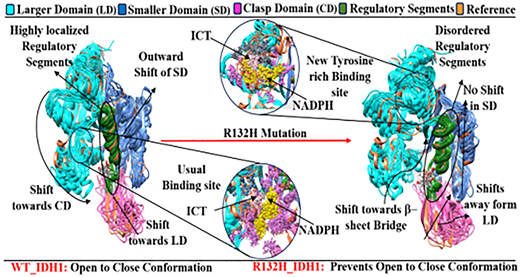
Nandeshwar; Biswal, A. S.; Chatterjee, S.; Tripathy, U. Phys. Chem. Chem. Phys. 2026, 28, 7688.
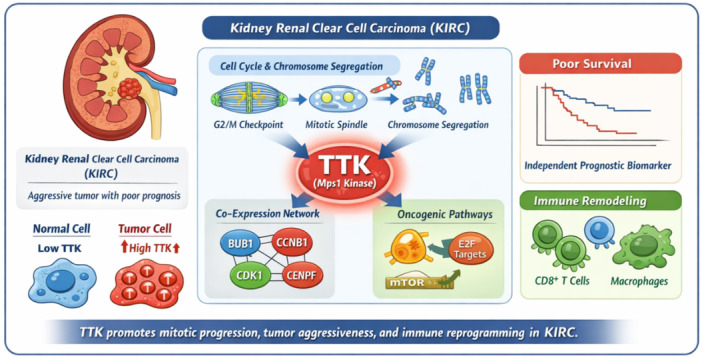
Singh, A. and Lakkaniga, N.R., 2026. Molecular Carcinogenesis, 65:989–1005
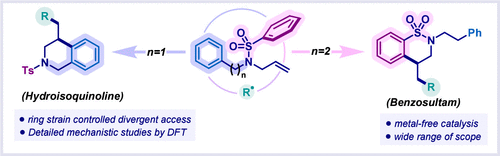
A. Kr. Das, R. Lo and S. Maity* Org. Lett. 2026, 28, 617-622

Dr S. K. Padhi and Group demonstrated the electrocatalytic reduction of CO2 to CO with higher selectivity by employing Cu(II)-based molecular catalysts. In their Research Article (DOI: 10.1002/chem.202403321), S. K. Padhi and co-workers explain how they also observed the generation of H2 as a by-product due to 2 H(+)+2 e(−) in the competitive proton reduction reaction. The kinetic phenomena reveal that the hydrogen evolution reaction (HER) occurs prior to the CO2 reduction reaction (CO2RR) and it was confirmed by online gas and mass analysis.
7 Feb, 2025
Dr. Soumitra Maity and Group have developed the photoredox strategy for installing thiocyanates and isothiocyanates in a controlled chemoselective fashion by manipulating the ambident-SCN through catalyst modulation. The methodology allows redox-, and pot-economical ‘on-demand’ direct access to both hydrothiophene and pyrrolidine heterocycles from the same feedstock alkenes and bifunctional thiocyanomalonates in a photocascade sequence. Its excellent chemoselectivity profile was further expanded to access Se- and N-heterocycles by harnessing selenonitriles.
7 Feb, 2025
Prof. P. Das and his group have developed the Two-Chamber Process, enabling the ex-situ generation of D2 from D2O for efficient reductive deuteration. This method facilitates the selective deuteration of biologically significant compounds, including NSAIDs like ibuprofen, flurbiprofen, and naproxen, as well as enamides and N-vinylated drugs. It offers a safe, cost-effective approach using D2O as a deuterium source, eliminating the need for specialized equipment. The technique is practical for routine laboratory use and holds significant potential for drug discovery.
7 Feb, 2025